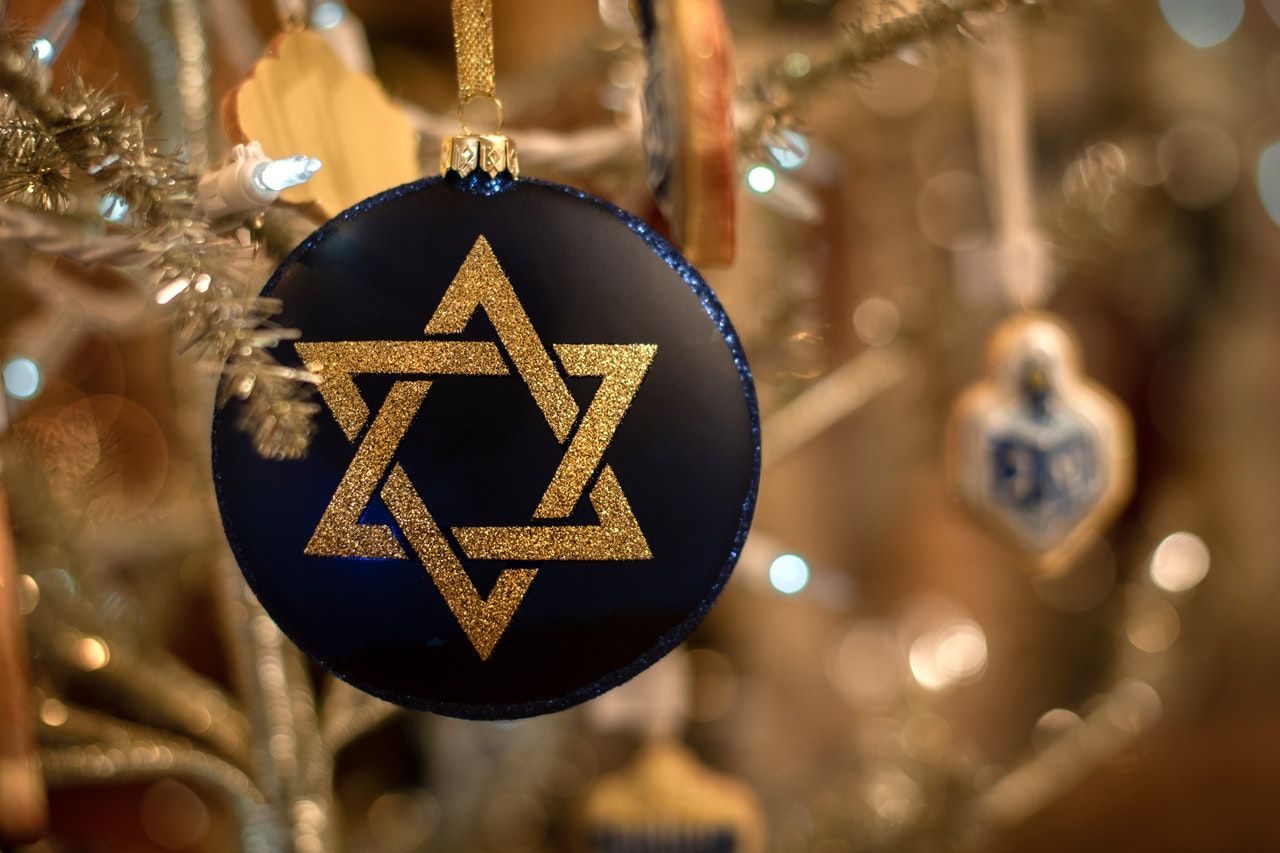
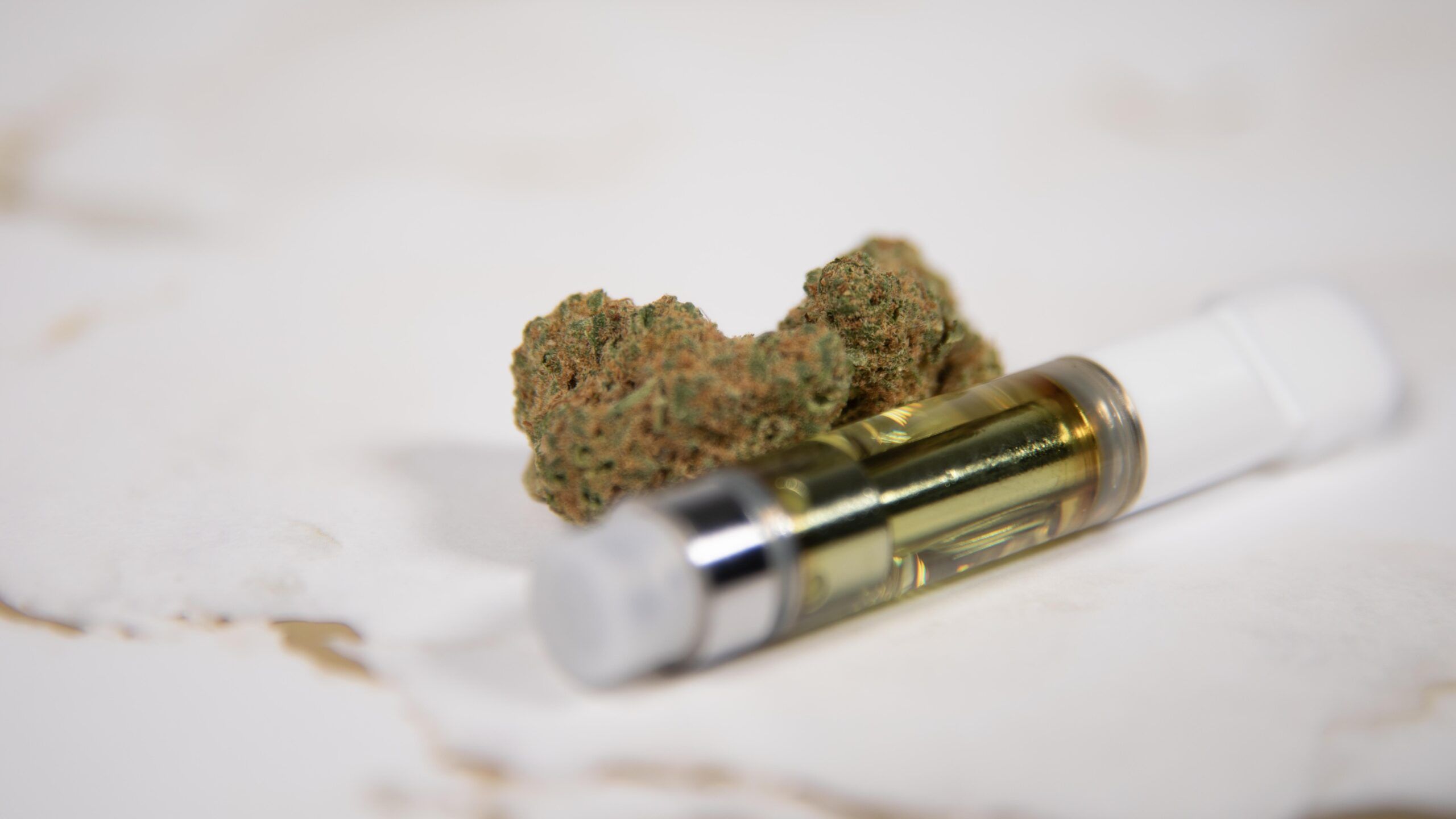
Hanukkah shows up on plenty of “green holiday” calendars, but for cannabis consumers who didn’t grow up celebrating it, the history and vocabulary can feel like a mystery. Understanding the story behind the lights, fried foods, and spinning tops not only shows respect for Jewish friends and family, it also helps consumers integrate cannabis into the season in a more thoughtful way.
A quick look at Hanukkah’s origins
Hanukkah commemorates events from the 2nd century BCE, when the Jewish Maccabees revolted against the Seleucid Greek ruler Antiochus IV, who had outlawed Jewish practice and desecrated the Temple in Jerusalem. After winning the revolt and reclaiming the Temple, they rededicated it—hanukkah in Hebrew literally means “dedication.”
Historical books like 1 and 2 Maccabees describe this rededication and the decision to celebrate it with an eight-day festival, echoing the earlier festival of Sukkot. The famous “miracle of the oil” story appears later in the Talmud: a single cruse of pure oil, enough for one day, is said to have burned for eight days until new oil could be prepared, which is why Hanukkah lasts eight nights and is closely associated with light and oil.
Key Hanukkah terms, decoded
Hanukkah / Chanukah – Multiple spellings come from trying to represent the Hebrew word חנוכה in English. All refer to the same holiday of “dedication.”
Menorah vs. hanukkiah – A menorah is any multi-branched candelabrum. The specific nine-branched lamp used on Hanukkah is called a hanukkiah: eight branches for the eight nights, plus one extra holder for the shamash (helper candle) used to light the others.
Shamash – The “attendant” candle that lights the rest. Symbolically, it’s often seen as a source of service or leadership—shedding light without being counted among the main eight.
Dreidel – A four-sided spinning top used in a Hanukkah game. Each side has a Hebrew letter: nun, gimel, hey, and shin, forming an acronym for “a great miracle happened there” or “here,” depending on where the dreidel is made.
Gelt – Literally “money.” Traditionally, children receive small coins or chocolate coins during Hanukkah, a custom that likely grew out of giving gifts to teachers and students this time of year.
Latkes & sufganiyot – Potato pancakes and jelly-filled doughnuts fried in oil. The point isn’t just comfort food; the oil itself recalls the Temple oil miracle at the heart of the holiday.
Where cannabis fits into the picture
Judaism places strong value on health and following the law of the land, so attitudes toward cannabis often depend on medical need, local legality, and community norms. Contemporary Jewish discussions acknowledge that, where legal, cannabis may have therapeutic value, especially for conditions like chronic pain or the side effects of serious illness.
In recent years, some Jewish communities and individuals have begun weaving cannabis into holiday spaces—sometimes informally at home, sometimes through themed events in places where cannabis is legal. For consumers, the key is treating Hanukkah first as a sacred and cultural celebration: respecting candle-lighting rituals, being mindful about impairment around open flames, and honoring the wishes of hosts and family members who may prefer a sober environment.
When consumers understand the history and language of Hanukkah, sharing a legal, responsibly used cannabis product can shift from a gimmick to a more grounded, thoughtful way of participating—one that keeps the miracle of light, resilience, and rededication at the center of the holiday.